Overview
Embracing sustainable living through eco-friendly home design not only benefits the environment but enhances your space's style. This article offers practical tips on choosing sustainable materials like bamboo, reclaimed wood, and natural fabrics, as well as integrating unique decor and energy-efficient appliances. By setting sustainability goals and involving family in the design process, you can create a healthier living environment that adds value to your home while inspiring others towards greener choices.
Frequently Asked Questions
1. Why is sustainable living important in home design?
2. What are some examples of sustainable materials for home design?
3. How can I incorporate sustainable products into my home decor?
4. What design practices can support sustainability in my home?
5. How can technology contribute to sustainable design?
As the world increasingly acknowledges the importance of sustainable living, many individuals are turning to eco-friendly design solutions for their homes. By incorporating sustainable materials into your home design, you not only contribute positively to the environment but also create a unique and stylish living space. This article delves into practical strategies for weaving eco-friendly practices into your design philosophy while highlighting timeless pieces like the Hand Woven Raffia Wall Clock and exploring luxury light fixtures for hospitality settings.
The Importance of Sustainable Materials
Utilising sustainable materials in your home design is beneficial for several reasons. Firstly, it helps reduce environmental impact by conserving natural resources and lowering carbon emissions. Secondly, sustainable materials often boast superior durability and rise in value over time, ensuring your investment pays off. Additionally, homes designed with sustainable materials often provide better air quality and comfort. Here, we explore various materials and design strategies that you can adopt.
Choosing the Right Sustainable Materials
When opting for sustainable materials, it’s essential to understand the various types available. Here are some eco-friendly materials that can add charm to your home:
Bamboo
Bamboo is a rapidly renewable resource, making it a popular choice for flooring, cabinetry, and furniture. Its natural aesthetic brings warmth into your space, blending beautifully with modern and traditional styles alike.
Reclaimed Wood
Reclaimed wood is not only environmentally friendly but also rich in character. Whether used for flooring, accents, or furniture, each piece tells a unique story. Choosing reclaimed wood can considerably reduce the demand for new timber, thereby minimising deforestation.
Natural Fabrics
Opt for organic cotton, linen, or hemp fabrics for your upholstery and drapery. These materials are biodegradable and free from harmful chemicals, making them healthier choices for your home.
Eco-Friendly Paints
When updating colour schemes, look for low-VOC or non-toxic paint options. These paints contribute to better indoor air quality and reduce your home’s overall environmental footprint.
Incorporating Sustainably Sourced Products
Integrating sustainably sourced products into your home decor is an excellent way to enhance your room’s aesthetic while caring for the planet. Here are a few ideas:
Unique Wall Decor
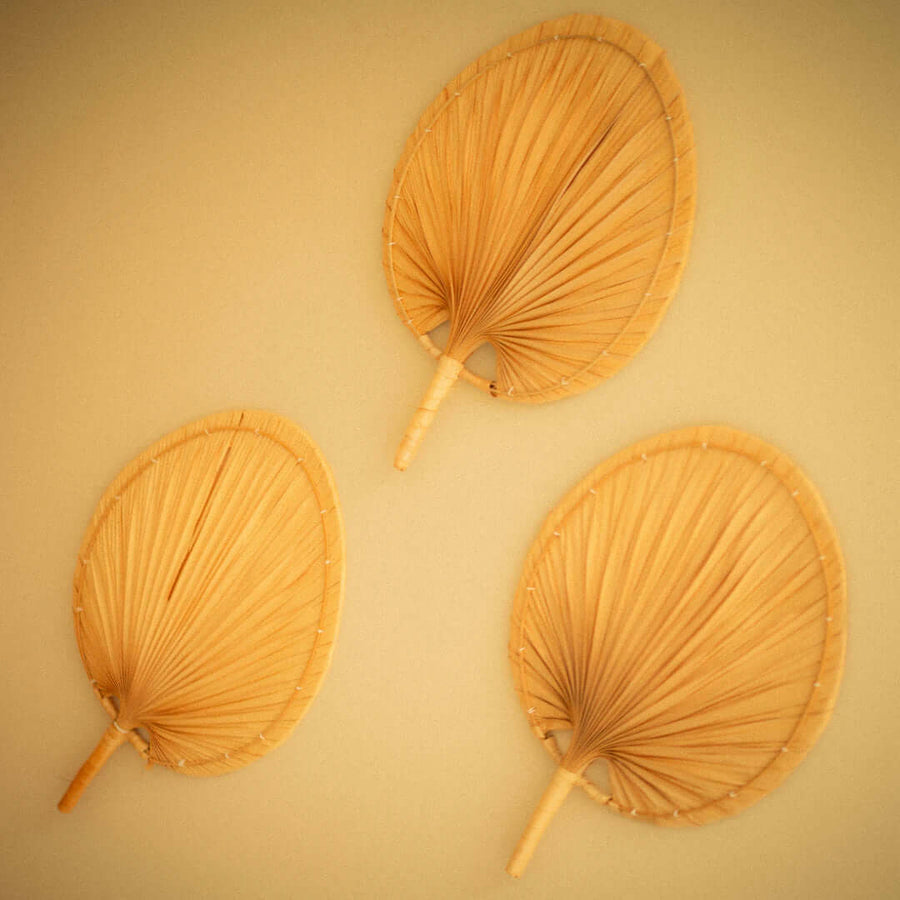
Consider adding a Hand Woven Raffia Wall Clock to your living area. Not only does it beautify the wall, but it also represents artisanal craftsmanship and sustainable materials. This piece can serve as a conversation starter, blending functionality with art.
Luxury Light Fixtures
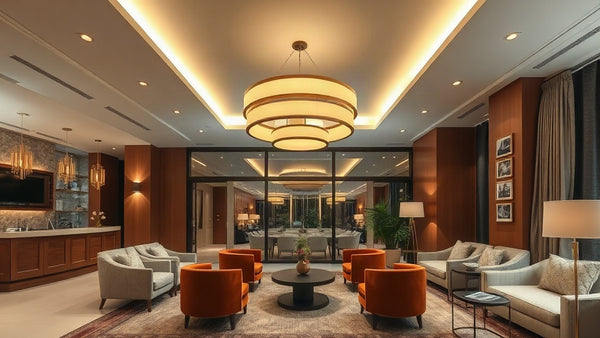
For those involved in hospitality or anyone looking to elevate their interior visuals, incorporate luxury light fixtures for hospitality that are made from recycled or sustainable materials. These fixtures not only provide ambiance but also reflect a commitment to quality and sustainability.
Eco-Friendly Design Practices
Incorporating sustainable materials alone is not enough; it’s also crucial to adopt eco-friendly design practices. Here are some tips:
Maximise Natural Light
Design your home to take advantage of natural light. Large windows, skylights, and open layouts can reduce the need for artificial lighting, which lowers energy consumption.
Energy-Efficient Appliances
Choose energy-efficient appliances that support sustainable living by reducing energy usage. This conscious choice not only saves on electricity bills but also lessens your overall carbon footprint.
Green Landscaping
Consider edible gardens and native plants which require less water and maintenance. Many native plants are adapted to local climates, providing an eco-friendly and beautiful outdoor space.
Sourcing Sustainable Materials
Finding sustainable materials is increasingly easier as demand grows. Here are some reliable sources:
Local Artisans and Craftspeople
Collaborating with local artisans enhances your home's uniqueness. Many craftsmen use sustainable practices, ensuring you are buying high-quality materials while supporting the local economy.
Online Marketplaces
Numerous online platforms offer eco-friendly products. Make sure to research the companies to ensure they follow sustainable practices.
Impact of Technology on Sustainable Design
Technology plays a key role in advancing sustainable materials. Innovative processes and techniques can transform traditional methods into greener alternatives. Here are some examples:
3D Printing
3D printing technology allows designers to create customised furniture and design elements with minimal waste, enabling greater efficiency in the use of materials.
Smart Home Technologies
Integrating smart home technology can improve energy efficiency. Smart thermostats, lighting, and appliances can adapt to user habits, significantly reducing energy use.
Creating a Sustainable Design Vision
Establishing a cohesive vision for sustainability in your home design will guide your choices. Here are steps to formulate this vision:
Define Your Style
Identify your design style. Are you leaning towards modern minimalism, rustic charm, or perhaps a mid-century aesthetic? Understanding your style will help you select sustainable materials that complement your overall vision.
Set Sustainability Goals
Create clear, actionable goals for your project. Whether it’s reducing waste or ensuring all materials are sourced sustainably, having goals can drive your decision-making process.
Involve Your Family
Involve family members in the process to ensure everyone is on board with the sustainable vision. Discuss what sustainability means to each of you as it expands understanding and commitment.
Benefits Beyond the Aesthetics
Choosing sustainable materials and practices not only provides visual appeal but also offers numerous benefits:
Healthier Living Environment
Sustainable materials often mean no harmful chemicals, VOCs, or other toxins, contributing to a healthier indoor atmosphere for you and your family.
Cost Savings
Although some sustainable products may initially appear expensive, their durability and energy efficiency can lead to long-term savings. Consider them an investment rather than a cost.
Enhanced Property Value
Homes designed with sustainability in mind often attract eco-conscious buyers. Investing in sustainable design can enhance your property’s value and marketability.
Bringing Your Sustainable Design to Life
The journey of incorporating sustainable materials into your home design is not only rewarding but also fulfilling. With careful planning and a clear vision, you can achieve a space that reflects your personal style and commitment to sustainability.
Lasting Impressions Through Sustainable Choices
Incorporating sustainable materials into your home design allows you to leave a positive mark, both aesthetically and environmentally. As we cherish our living spaces, let’s also prioritise the health of our planet. By choosing eco-friendly materials, investing in quality craftsmanship, and embracing innovative design practices, you are playing a crucial role in sustainable living. Your actions not only beautify your home but also inspire others to follow suit, contributing to a greener future. Now is the time to turn your home into a sanctuary that represents not only style but also responsibility, paving the way for a sustainable legacy.
Linked Product

Hand Woven Raffia Wall Clock
The Hand Woven Raffia Wall Clock is an eco-friendly timepiece made from natural fibers and wood, making it a sustainable choice for home design. With its unique handwoven design, it adds a touch of vintage charm and warmth to any space. Additionally, the clock combines style with functionality, featuring precise timekeeping in a large 45cm diameter format.
View ProductNauradika Trade