Outdoor Wall Lights: Setting the Standard for Contemporary Residential Design
As we move through 2026, the demand for sophisticated outdoor wall lighting has shifted markedly. Architects specifying residential and commercial projects now prioritise integrated functionality with refined aesthetics. The outdoor wall light has evolved from purely utilitarian fixture to a defining design element that anchors both façade composition and landscape strategy.
This year's dominant trend centres on minimalist Scandinavian profiles paired with robust material specifications. Clients increasingly request fixtures that perform across extended daylight hours while maintaining visual integrity during darker months—a particular consideration in UK climates where seasonal variation demands flexible design solutions.
Material Specification and Durability
- Powder-coated aluminium—lightweight, corrosion-resistant, and responsive to colour grading across façade palettes
- Brushed brass and blackened steel—mid-century modern references that resist trend fatigue and age gracefully
- Opal glass diffusers—reduce glare while maintaining lumen output across 3000K–4000K colour temperatures
Specifiers should confirm IP65+ ratings as standard. External wall applications demand fixtures capable of withstanding coastal salt spray, freeze-thaw cycles, and variable weather exposure without performance degradation.
Lighting Performance Metrics for 2026
The outdoor sconce category now demands measurable technical data. Expect to specify:
- CRI ≥90 for colour accuracy in commercial applications
- Beam angles between 60–120° for layered façade illumination
- Wattage from 8–15W LED equivalent for residential schemes; 20–30W for commercial boundaries and access points
- Smart-compatible controls with dimming capability (0–100%)
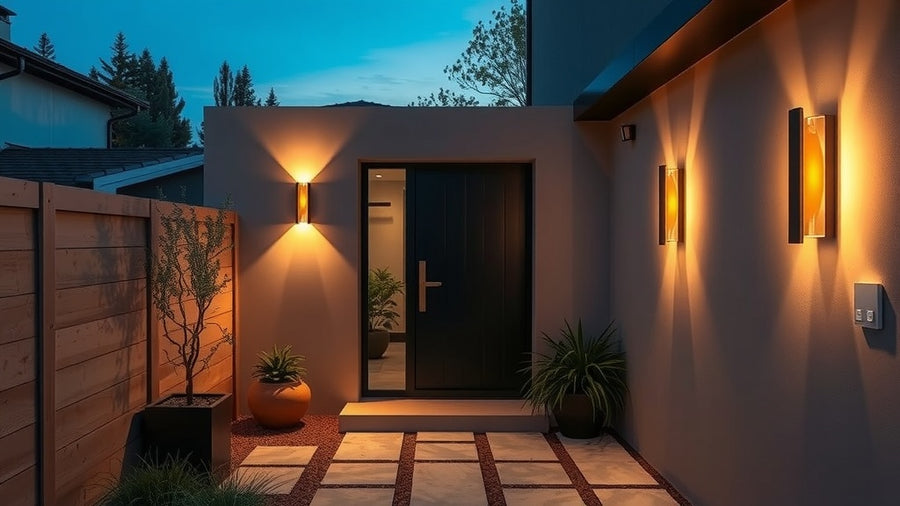
Summer projects benefit from uplighting techniques that emphasise architectural detail. An outdoor wall light positioned at 45° angles creates dramatic shadow play on textured surfaces—a technique gaining traction in contemporary residential specifications.
Design Language: Retro Meets Function
Mid-century modern fixtures continue to dominate specifier preferences. The reason is straightforward: these profiles—typically characterised by clean lines, proportionate geometry, and honest material expression—complement both period properties and contemporary builds. A garden wall light referencing 1960s Scandinavian design language integrates seamlessly across mixed-era streetscapes.
Architects are moving beyond monochromatic black and white finishes. Warm graphite, charcoal, and deep bronze options allow contextual integration without visual heaviness. Paired with residential masonry or render, these warmer neutrals read as intentional, sophisticated choices rather than default specifications.
Integration with Broader Lighting Schemes
The best outdoor wall light installations consider layered illumination strategy. Ground-level pathway lighting, façade sconces, and overhead pendant or flush-mount fixtures should operate on segmented circuits, allowing flexible operation across evening hours and seasonal variation.
Smart home integration—dimming, scheduling, and scene control—has shifted from luxury specification to standard requirement. Clients expect intuitive control via smartphone or voice activation, particularly in commercial applications and premium residential projects.
Sourcing and Lead Times
For projects with 2026 completion targets, specify stock items available within 4–6 weeks. Contemporary designer fixtures from specialist UK retailers offer competitive pricing at £80–£250 per unit, with volume discounts available for multi-unit residential schemes and commercial installations.
The outdoor wall light category rewards specification precision. Define photometric requirements, material finishes, and control systems early in design development—your project timeline and client satisfaction depend on it.
Explore the look through outdoor wall light options and related pieces in our Wall Light Fixtures collection.
Why this style works
The right light does more than illuminate a room. It sets the rhythm of the space, gives furniture a visual anchor, and helps a decorative scheme feel intentional rather than assembled. For readers arriving from search, this section connects the design idea to practical product selection.
- Creates a clear focal point
- Adds warmth and texture
- Works across contemporary and vintage-inspired rooms
How to choose the right piece
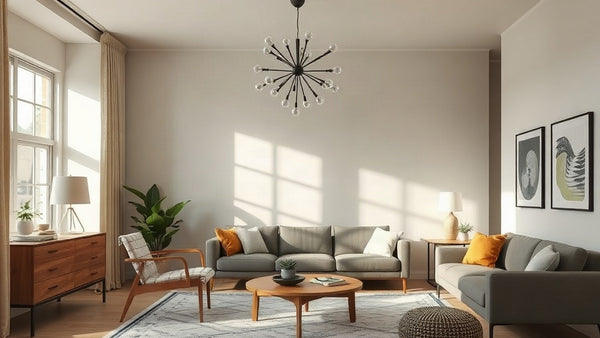
Start with scale, then material, then light temperature. A pendant or wall light should feel proportionate to the room and the furniture below it. Natural materials tend to soften modern interiors, while darker finishes can make a more graphic statement.
- Check ceiling height and furniture dimensions
- Choose a finish that repeats elsewhere in the room
- Use warm bulbs for living and dining spaces
Where to use it
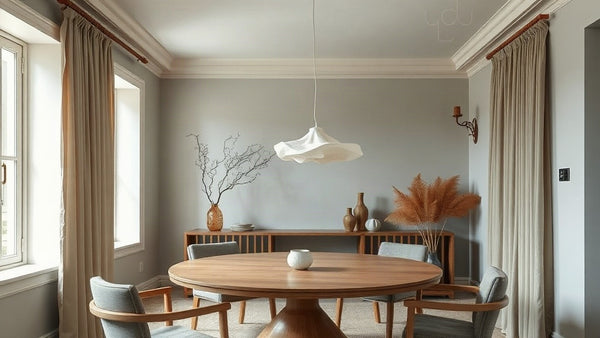
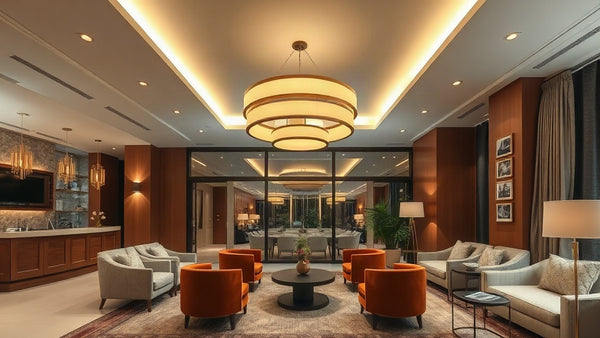
This look is especially effective in dining rooms, bedrooms, hallways and boutique hospitality spaces where atmosphere matters. It can also work in renovations where a single lighting change needs to make the room feel more finished.
- Dining tables and kitchen islands
- Bedrooms and reading corners
- Hallways, restaurants and boutique hotels
Shop the Look
For the most relevant products, start with the article's featured piece and the matching collection. Product price, availability and images should be pulled live from Shopify when the template renders.
View the featured outdoor wall light or browse the full related collection.
Featured in this guide
View collectionWhy this style works
Frequently asked questions
Nauradika Trade