Rice Paper Table Lamps: Essential Softness for 2026 Design
As we move into autumn, the shift towards layered, ambient lighting becomes critical in residential and commercial projects. The rice paper table lamp—a staple of contemporary design—remains indispensable for architects seeking to balance aesthetic restraint with functional illumination. These fixtures offer what specification sheets often overlook: the psychological benefit of diffused, flicker-free light.
Why Rice Paper Remains Relevant
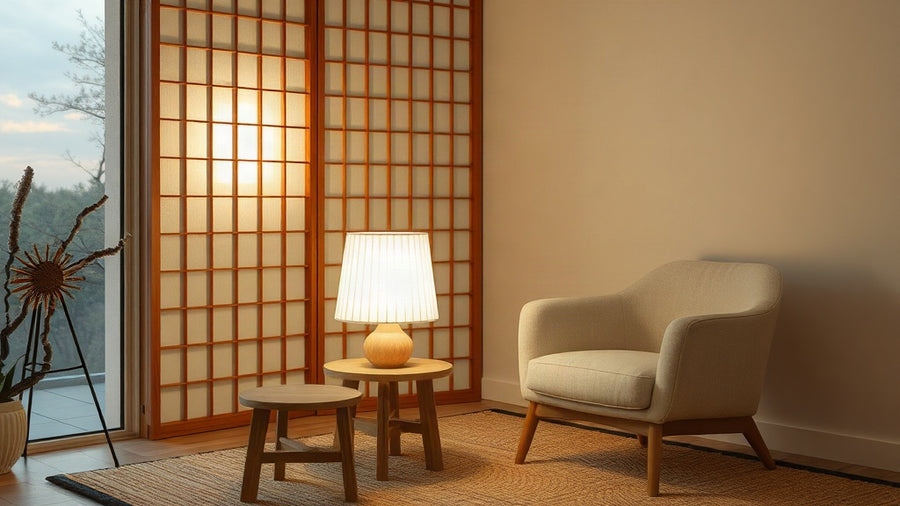
The Japanese rice paper lamp tradition endures because it solves a fundamental design problem: how to provide task and ambient lighting without visual glare or harsh shadows. Unlike conventional fabric shades, rice paper diffuses light uniformly across 180+ degrees, making it suitable for open-plan offices, hotel suites, and residential reading nooks where colour rendering and comfort matter.
Specification considerations include:
- Material durability: Authentic rice paper resists yellowing when paired with warm LED sources (2700K–3000K)
- Flicker performance: Ensure driver compatibility; poor-quality ballasts undermine the lamp's therapeutic value
- Heat dissipation: Modern LED integration eliminates fire risk, but thermal management remains relevant for longevity
- Footprint: A paper table lamp typically occupies 150–200mm base diameter, critical in space-constrained commercial layouts
Soft Light Table Lamps: Integration Strategy
When specifying a rice paper table lamp for hospitality or residential projects, consider layering. A single statement fixture rarely meets lux requirements alone. Pair with recessed ceiling spots (dimmable, naturally) or integrated bedside pendants to achieve the 2026 trend toward "hygge-influenced" commercial spaces without sacrificing code compliance.
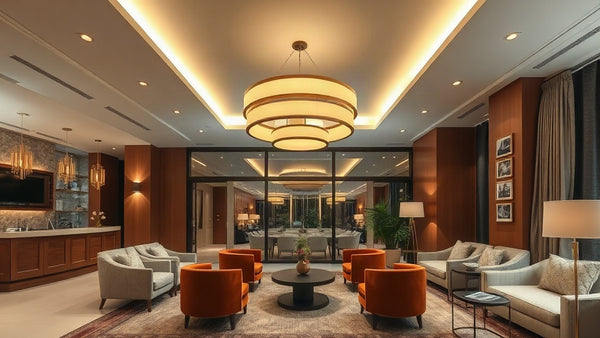
For commercial applications, the Japanese rice paper lamp aesthetic signals quality without ostentation—valuable in boutique hotels, executive lounges, and high-end offices where restraint signals confidence.
Specification Checklist
- Colour temperature: 2700K minimum for residential; 3000K acceptable for commercial
- CRI: 90+ non-negotiable for spaces requiring colour accuracy
- Power consumption: LED equivalents should not exceed 15W for table lamps
- Dimming: 0–100% (trailing-edge compatible) for flexibility
- Certification: CE, BS 1363, and appropriate IP rating if near moisture
Sourcing Considerations
The soft light table lamp market has fragmented between mass-produced (often poor light quality) and designer-led (budget constraints). Mid-market retailers like Nauradika stock rice paper table lamps that bridge this gap—Scandinavian-influenced construction, proper light engineering, and accessible pricing for specification purposes.
Autumn 2026 projects benefit from fixtures that create intimate, focused light pools without contributing to screen fatigue or seasonal affective patterns. A well-specified paper table lamp does this more effectively than contemporary alternatives.
Final Notes for Architects
The rice paper table lamp isn't decorative nostalgia; it's a functional solution to modern lighting demands. When selecting fixtures for projects emphasising biophilic design or wellness, this category deserves serious consideration in your schedule of finishes.
Explore the look through rice paper table lamp options and related pieces in our Floor And Table Lamps collection.
Why this style works
The right light does more than illuminate a room. It sets the rhythm of the space, gives furniture a visual anchor, and helps a decorative scheme feel intentional rather than assembled. For readers arriving from search, this section connects the design idea to practical product selection.
- Creates a clear focal point
- Adds warmth and texture
- Works across contemporary and vintage-inspired rooms
How to choose the right piece
Start with scale, then material, then light temperature. A pendant or wall light should feel proportionate to the room and the furniture below it. Natural materials tend to soften modern interiors, while darker finishes can make a more graphic statement.
- Check ceiling height and furniture dimensions
- Choose a finish that repeats elsewhere in the room
- Use warm bulbs for living and dining spaces
Where to use it
This look is especially effective in dining rooms, bedrooms, hallways and boutique hospitality spaces where atmosphere matters. It can also work in renovations where a single lighting change needs to make the room feel more finished.
- Dining tables and kitchen islands
- Bedrooms and reading corners
- Hallways, restaurants and boutique hotels
Shop the Look
For the most relevant products, start with the article's featured piece and the matching collection. Product price, availability and images should be pulled live from Shopify when the template renders.
View the featured rice paper table lamp or browse the full related collection.
Featured in this guide
View collectionWhy this style works
Frequently asked questions
Nauradika Trade