Appliques murales rechargeables : Redéfinir l'éclairage intérieur flexible
L'émergence d'appliques murales rechargeables haute performance marque un tournant significatif dans la manière dont les architectes abordent la conception d'éclairage résidentiel et commercial. Contrairement aux solutions filaires traditionnelles, ces appliques murales sans fil offrent une flexibilité d'installation sans compromettre l'intégrité du design ni la puissance lumineuse.
Pour les projets où le passage de câbles pose des contraintes – bâtiments classés, intérieurs patrimoniaux ou modifications post-achèvement – les appliques murales rechargeables constituent une alternative techniquement solide. La dernière génération offre des niveaux d'éclairement (lux) comparables à ceux des équivalents alimentés sur secteur, avec une stabilité de la température de couleur sur l'ensemble des cycles de charge.
Spécifications techniques à évaluer
Performance de la batterie et autonomie
- Les cellules lithium-ion offrent généralement 15 à 40 heures de fonctionnement continu par charge.
- La charge USB-C réduit les temps d'arrêt ; les modèles à charge rapide atteignent leur pleine capacité en 2 à 3 heures.
- Les taux de dégradation de la batterie se stabilisent à 80 % de capacité après plus de 500 cycles.
- La stabilité de la température assure une température de couleur constante (une variation de ±100K est acceptable).
Rendement lumineux et gradation
Les appliques murales rechargeables modernes atteignent désormais 300 à 800 lumens, ce qui convient aux applications d'accentuation, de tâche et d'ambiance. Il est crucial de noter que la gradation PWM (modulation de largeur d'impulsion) maintient la fidélité des couleurs à des niveaux de luminosité réduits – une spécification souvent négligée dans les alternatives économiques.
Intégration sans fil
Les appliques murales à batterie intègrent de plus en plus des protocoles de maison intelligente : Zigbee, Z-Wave, ou des systèmes propriétaires 2,4 GHz. Pour les architectes spécifiant un contrôle d'éclairage multizone, assurez la compatibilité avec l'écosystème choisi pour le projet. La latence devrait être <100 ms pour une réponse perçue comme instantanée.
Considérations pratiques de conception
Installation et accès pour la maintenance
Les appliques murales rechargeables éliminent le besoin de câblage intégré, réduisant les interventions structurelles. Cependant, planifiez stratégiquement les emplacements de charge – généralement à moins de 5 mètres d'une source d'alimentation. Pour les applications commerciales, établissez un calendrier de maintenance : vérifications mensuelles de l'état, cycles de charge trimestriels.
Esthétique et adéquation contextuelle
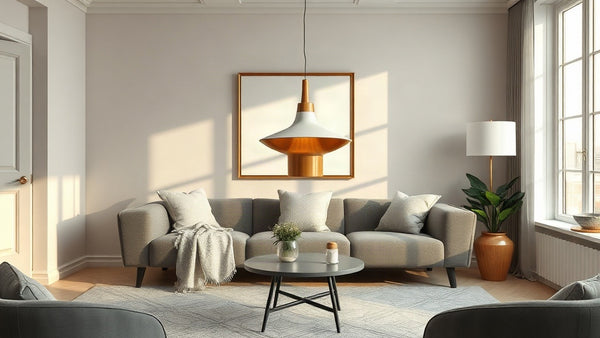
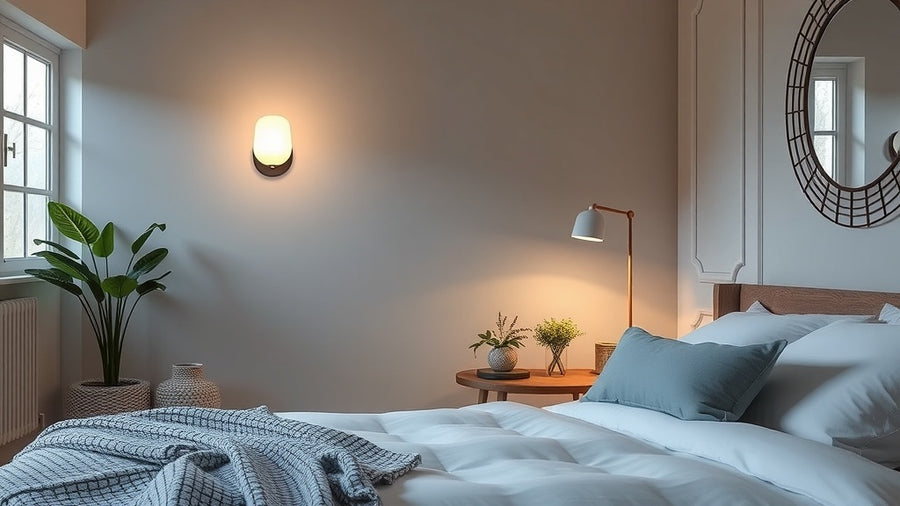
Les esthétiques scandinave et moderne du milieu du siècle se traduisent efficacement en formats sans fil. L'absence de fils ou de conduits visibles améliore souvent les intérieurs minimalistes. Spécifiez une cohérence de finition entre plusieurs unités pour éviter la fragmentation visuelle.
Spécifications commerciales vs résidentielles
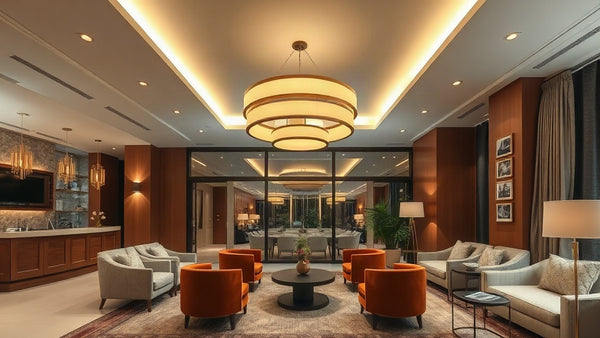
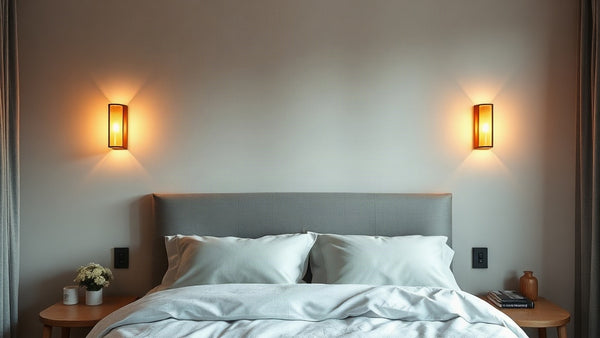
Dans les environnements hôteliers ou de bureau, les appliques murales rechargeables conviennent à l'éclairage d'accentuation, aux coins lecture et aux murs décoratifs. Évitez les rôles d'éclairage de tâche principal à moins que des systèmes d'alimentation de secours ne soient intégrés. Les applications résidentielles – éclairage de chevet, murs de galerie, complément d'espace de travail – s'avèrent plus simples d'un point de vue de la responsabilité.
Pourquoi les architectes adoptent cette approche
- Viabilité de la rénovation : Pas de recâblage nécessaire ; dommages minimes aux surfaces
- Flexibilité de conception : Repositionnement sans replanification du schéma électrique
- Rentabilité : Réduction de la main-d'œuvre d'installation ; pas d'électricien agréé requis pour le placement
- Durabilité : Énergie intrinsèque inférieure à celle des mises à niveau complètes des circuits
Liste de contrôle des spécifications
Lors de l'évaluation des appliques murales rechargeables pour votre projet, documentez : le rendement lumineux en lux à 1 mètre, l'indice de rendu des couleurs (minimum 90 IRC), le nombre de cycles de charge, le protocole sans fil, la courbe de gradation et les conditions de garantie. Demandez les fiches techniques photométriques ; les déclarations des fabricants surestiment souvent la luminosité effective dans des conditions réelles.
Pour les aménagements intérieurs axés sur l'été, privilégiant les palettes plus claires et les couches d'éclairage supplémentaires, les appliques murales à batterie réduisent la charge thermique et simplifient la conception électrique. Elles représentent une évolution pragmatique dans la manière dont les architectes résolvent les défis de l'éclairage spatial.
Explorez le look grâce aux options d'appliques murales rechargeables et aux pièces associées dans notre collection Luminaires rechargeables.
Pourquoi ce style fonctionne
Le bon éclairage fait plus qu'illuminer une pièce. Il définit le rythme de l'espace, donne un ancrage visuel au mobilier et contribue à donner l'impression qu'un aménagement décoratif est intentionnel plutôt qu'assemblé. Pour les lecteurs venant d'une recherche, cette section relie l'idée de design à la sélection pratique de produits.
- Crée un point focal clair
- Ajoute de la chaleur et de la texture
- Fonctionne aussi bien dans les pièces contemporaines que d'inspiration vintage
Comment choisir la bonne pièce
Commencez par l'échelle, puis le matériau, puis la température de la lumière. Un luminaire suspendu ou une applique murale doit être proportionné à la pièce et au mobilier situé en dessous. Les matériaux naturels ont tendance à adoucir les intérieurs modernes, tandis que les finitions plus sombres peuvent faire une déclaration plus graphique.
- Vérifiez la hauteur du plafond et les dimensions du mobilier
- Choisissez une finition qui se répète ailleurs dans la pièce
- Utilisez des ampoules chaudes pour les salons et les salles à manger
Où l'utiliser
Ce style est particulièrement efficace dans les salles à manger, les chambres, les couloirs et les espaces hôteliers de charme où l'atmosphère compte. Il peut également fonctionner dans les rénovations où un simple changement d'éclairage doit donner l'impression que la pièce est plus finie.
- Tables de salle à manger et îlots de cuisine
- Chambres et coins lecture
- Couloirs, restaurants et hôtels de charme
Shoppez le look
Pour les produits les plus pertinents, commencez par la pièce vedette de l'article et la collection correspondante. Le prix, la disponibilité et les images des produits doivent être extraits en direct de Shopify lors du rendu du modèle.
Voir les appliques murales rechargeables en vedette ou parcourir la collection complète associée.
Présenté dans ce guide
Voir la collectionWhy this style works
Frequently asked questions
Nauradika Trade