
How can I incorporate eco-friendly materials into my refurbishment project?
|
|
Tid att läsa 6 min

Upptäcka nyanlända i modern belysning, heminredningoch Skandinavisk design—uppdaterad varje vecka med det...
|
|
Tid att läsa 6 min
Explore how to incorporate eco-friendly materials into your home refurbishment, from flooring options like bamboo and cork to sustainable textiles and furnishings. Discover the benefits of using these materials, including healthier living spaces and ethical sourcing. Embrace sustainability as a lifestyle choice for a stylish and environmentally responsible home.
Refurbishing your home can be an exciting journey, particularly when you have the opportunity to incorporate eco-friendly materials. Making conscious choices not only benefits the environment but can also result in sophisticated and stylish designs. In this article, we will explore practical ways to integrate eco-friendly materials into your refurbishment project, from flooring and textiles to sustainable furnishings and décor. Whether you’re a seasoned interior designer or a DIY enthusiast, these tips will help you create a harmonious, green living space.
Eco-friendly materials are made from renewable resources, recycled materials, or substances that reduce energy consumption and environmental impact. When selecting materials for your refurbishment project, consider their lifecycle, from production to disposal. This awareness allows you to make informed choices that contribute to a sustainable future.
Incorporating eco-friendly materials into your refurbishment offers numerous benefits:
One of the first elements to consider in your refurbishment is the flooring. Eco-friendly flooring options not only provide a natural aesthetic but are also sustainable. Consider these options:
Bamboo is rapidly renewable and grows much faster than traditional hardwoods. It's strong, versatile, and available in various styles, making it a fantastic eco-friendly flooring choice.
Cork is harvested from the bark of cork oak trees without harming the tree itself. This sustainable process creates a unique and warm flooring solution that also has sound-insulating properties.
For a softer touch, consider an Eco-Friendly Jute Carpet. Jute is a natural fibre sourced from plants and is biodegradable. It adds texture and warmth to spaces while being incredibly sustainable. Jute carpets come in various designs and colours, making them a perfect fit for modern interiors.
Textiles play a significant role in enhancing comfort and style in any space. Here are some eco-friendly fabric options to consider:
Organic cotton is grown without synthetic pesticides or fertilisers, making it a safer choice for both the environment and human health. It's soft, durable, and perfect for bed linens, curtains, and upholstery.
Embrace the minimalist aesthetic with Scandinavian fabrics for interior designers. These textiles often feature natural fibres and simple patterns, promoting sustainability while maintaining a stylish appearance. Look for linen or wool sourced from ethical producers, which can be used in everything from cushions to upholstery, giving your space a chic, Nordic touch.
Another innovative option is to use recycled fabrics made from post-consumer waste, such as plastic bottles or old textiles. These fabrics have a low environmental impact and come in various styles, allowing you to create a unique look while championing sustainability.
Furnishings are key to defining the character of your space. Opting for eco-friendly furniture can significantly reduce your project's carbon footprint:
Reclaimed wood is salvaged from old buildings, barns, or furniture, giving it a second life while conserving natural resources. It has a unique character and history, which can add warmth and charm to your interiors.
Upcycling involves transforming old or discarded furniture into something new and functional. This can be as simple as refinishing an old table or creatively reimagining a vintage piece. It’s not only eco-friendly but can also result in distinctly personalised items that make your space unique.
When reupholstering furniture, choose sustainable materials. Natural fibres like linen, hemp, or even recycled synthetic fibres can contribute to reducing your environmental impact while enhancing the aesthetic appeal of your pieces.
Eco-friendly décor can elevate your home's design while promoting sustainability. Here are some ideas:
Traditional paint can contain volatile organic compounds (VOCs) that are harmful to both health and the environment. Instead, consider using natural paints made from plant-based ingredients. These are often free from harmful chemicals and offer a range of beautiful, earthy colours.
Incorporating live plants not only enhances the visual appeal of your interior but also improves air quality. Choose low-maintenance plants that thrive indoors, such as snake plants or pothos, to bring life to your refurbished space.
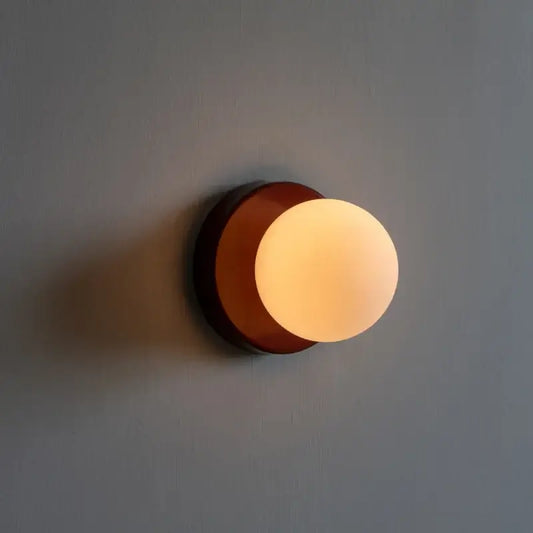
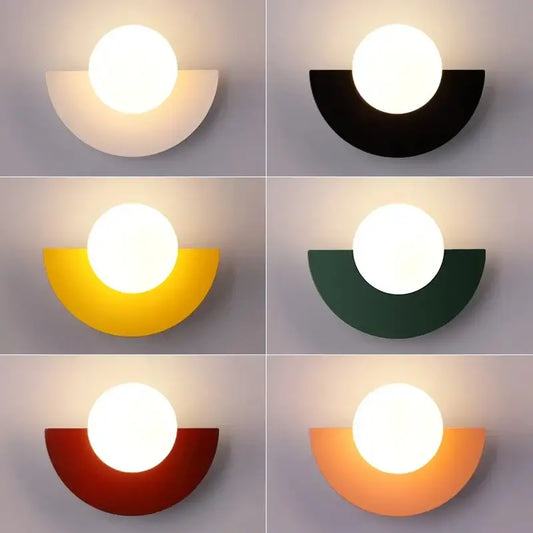
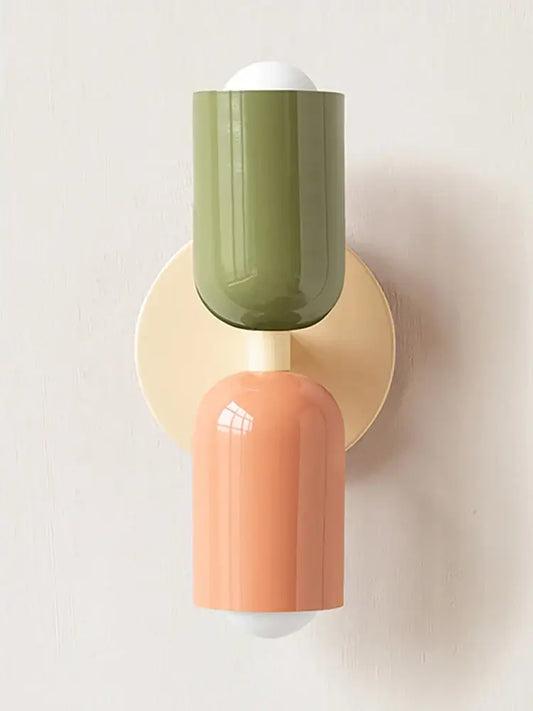
Lighting fixtures made from recycled materials or sustainably sourced wood can add a stunning focal point to your space. Additionally, consider using LED bulbs to reduce energy consumption and create an atmosphere that complements your eco-friendly design.
When embarking on a refurbishment project, it's crucial to consider where your materials are coming from. Sourcing ethically means choosing suppliers who prioritise sustainable practices, fair labour conditions, and environmental responsibility. Always look for certifications like Fair Trade or Forest Stewardship Council (FSC) to ensure that you're purchasing from responsible sources.
Working with local artisans and craftspeople not only supports the community but often results in unique pieces that are more environmentally friendly than mass-produced alternatives. Trust local talent to use traditional, eco-friendly techniques in creating furniture and accessories.
Incorporating eco-friendly materials into your refurbishment project is just the beginning of a sustainable journey. When you commit to making environmentally conscious choices in your home, you inspire others to consider their impact as well. Remember, sustainability is not merely a trend; it is a lifestyle choice that can lead to cleaner air, healthier living conditions, and a more aesthetically pleasing home.
So, as you plan your refurbishment, take the time to consider the materials you are using. Opt for options like Eco-Friendly Jute Carpets and Scandinavian fabrics for interior designers to make a positive impact. In doing so, you will not only create a beautiful and functional space but also contribute to a healthier planet.
It's time to take action! Start your journey towards a sustainable home today, and watch as your refurbished space transforms into an eco-friendly haven that showcases your commitment to both style and the earth!

The Eco-Friendly Reversible Jute Carpet offers a sustainable option for those looking to enhance their refurbishment project with natural materials. Made from 100% jute cotton, this carpet combines rustic charm with modern aesthetics, making it a versatile addition to various decor styles. Its reversible design allows for easy style changes, while its durability ensures it withstands everyday use.
View ProductGillar du vår tidning? Du kommer att gilla vår butik ännu mer med alla dess utvalda heminredningsartiklar, moderna belysning, köksredskap och väggkonst. Vi rekommenderar också att du prenumererar på vårt nyhetsbrev eller följer oss på sociala medier för att få information om våra nyhetsartiklar, kampanjer och rabattkoder.